Understanding Duvet Fillings: Down, Alternatives, and UK-Focused Guidance
A refined primer on duvet fillings, navigating natural options like down and wool alongside high-quality synthetic alternatives. Tailored for the UK reader, with warmth hierarchies, care tips, and a non-commercial, information-forward perspective inspired by the elegance of luxury sleep culture.
The bed is not merely a piece of furniture; it is a sanctuary where texture, temperature, and tactility converge to shape a night of restorative calm. When selecting a duvet, fillings are the heartbeat of comfort. They determine warmth, loft, breathability, and how the duvet behaves with your body through the night. In the UK context, where tog ratings and seasonal weather swing with the best of them, understanding fillings is essential to building a premium, non-commercial duvet strategy that serves year-round sleep quality.
There are three broad families of duvet fillings you will encounter: natural fillings (such as down, feather, wool, and wool blends), natural wool blends, and synthetic or down-alternative fillings. Each category carries its own aura of luxury, but the distinctions go beyond marketing gloss. They touch real-world considerations: loft, warmth-to-weight ratio, insulation, breathability, allergen considerations, care requirements, and longevity. The aim of this guide is to illuminate those distinctions with clear, practical guidance so readers can make informed, confident choices within a UK-centric framework.
1) Natural fillings: down, feathers, and wool
Natural fillings are traditionally associated with plush warmth and exceptional loft. They are celebrated for their ability to trap heat efficiently while remaining light and breathable, which makes them particularly appealing for a premium night’s sleep.
Down
Down refers to the soft plumage beneath a bird’s tougher exterior feathers. In duvets, down provides lofty warmth with a lightweight feel. Key terms to understand include fill power (a measure of loft) and warmth ratings. In premium options, you will often see high fill powers (e.g., 600–900) that translate into exceptional warmth with minimal bulk. The British consumer tends to associate down with a feeling of cloud-like warmth that is breathable and comfortable across seasons.
Feathers vs. down
Feathers are typically heavier and less insulating than down. A duvet labeled as “down and feather” blends may offer a balance of loft and price, but the premium experience usually centers on down or a high-quality down blend. When assessing a duvet, consider the ratio and the origin of the fill, since ethically sourced and well-trimmed down tends to perform better in maintaining loft and preventing cold spots.
Wool
Wool fills, including wool blends, bring natural temperature regulation and moisture management. A wool-filled duvet can offer warmth without excessive weight and can be naturally resistant to odour accumulation. In the UK’s damp climate, wool’s breathable properties can provide a refreshing sleep surface, particularly in transitional seasons. Look for high-grade wool fills with thoughtful box construction to prevent clumping and ensure even warmth distribution.
2) Natural wool blends and the premium niche
For the discerning sleeper, wool blends offer a balance of the best of both worlds: the natural insulation and breathability of wool with the resilience or loft stability that other fillings may provide. The premium experiences in this segment focus on sustained loft, consistent warmth across the night, and a robust edge against damp or fluctuating room climates.
When evaluating a wool-filled duvet, pay attention to the type of wool used, whether it is Merino, lambswool, or a blend with down or synthetics. The shell fabric composition and construction (e.g., box or baffle-box quilting) influence how the loft holds and how evenly warmth is distributed. Wool tends to be naturally temperature-regulating, which can make it a versatile option for those who experience night sweats or variable room temperatures.
3) Synthetic fillings and down-alternatives
Synthetic fillings and down-alternatives provide an option for sleepers seeking hypoallergenic performance, predictable care, and often more accessible price points. Modern synthetic options can mimic the loft and warmth of down while offering easy-care characteristics such as machine washing and quicker drying times. Weight and warmth achievable with synthetic fills have advanced in recent years, delivering comfort that can rival traditional natural fillings in some scenarios.
Key considerations when evaluating synthetic or down-alternative fillings include the fill weight, the density of the quilting (which affects loft and distribution), and the shell fabric’s breathability. A well-constructed down-alternative duvet should feel light yet warm, with an even loft that resists clumping and cold spots. For allergy-prone sleepers, synthetic options can offer peace of mind without sacrificing luxury feel.
4) UK warmth guidance: tog ratings, seasons, and practical tips
In the UK, tog ratings are a practical shorthand for warmth. A duvet’s tog rating communicates how well it traps heat. Typical ranges include:
- Lightweight/All-Season: around 4.5–7 tog
- Medium: around 7–10.5 tog
- Warm: around 10.5–13.5 tog
- Extra warm: 13.5 tog and above
Seasonal strategy often involves pairing a duvet with an appropriate tog and, when necessary, using separate duvets for different times of year to optimize temperature regulation. Individuals who share a bed with distinct temperature needs may opt for a lighter duvet for one side and a heavier option for the other, ensuring comfort without compromising airflow.
5) Care, longevity, and practical maintenance
Proper care extends the life and performance of a duvet. For natural fillings, routine care typically includes professional cleaning for down-filled items to maintain loft and integrity. Many premium manufacturers recommend cleaning by professionals, with spot-cleaning and airing as appropriate between services. For wool-filled duvets, follow guidelines specific to wool, as this material can be sensitive to improper washing or heat exposure. Synthetic and down-alternative fillings generally offer more forgiving care, with many options being machine washable and dryable, though always follow the manufacturer’s care instructions for best results.
Regardless of filling type, consider the duvet’s cover or shell: a breathable, well-constructed cover helps protect the fill while enabling easier washing cycles. A duvet cover with secure corner ties or interior loops can prevent shifting and preserve even loft, so you can enjoy consistent warmth throughout the night.
6) A UK-focused framework for choosing your premium duvet
For readers of luxuryduvets.co.uk, the aim is to cultivate a non-commercial yet informed approach. Start with your sleep preferences: do you tend to sleep hot or cold? Do you share a bed, and do temperature differences matter to you? Are you prone to allergies, and do you prefer hypoallergenic materials? Once you answer these questions, anchor your decision in a few guiding principles:
- Prioritize loft and warmth relative to your climate and room conditions. A higher loft down duvet can feel lighter yet incredibly warm, but it should also breathe well to prevent overheating.
- Consider the quality and sourcing of the fill. Ethically sourced down and responsibly produced wool contribute to peace of mind and a sense of luxury that extends beyond aesthetics.
- Assess care needs. If convenience is crucial, synthetic or down-alternative fillings with machine-washable shells can simplify maintenance without compromising comfort.
- Evaluate the shell fabric. A durable, breathable shell (such as cotton or a cotton blend) supports longevity and helps maintain loft over time.
- Factor in seasonal layering. In a UK context, many sleepers opt for a two-duvet approach or a high-quality all-season option complemented by a lighter duvet for warmer nights.
In this informative space, we emphasize elegant, evidence-based guidance. The discussion is not about promoting specific products; rather, it is about understanding the transformation that superior fillings can impart to your sleep experience. With this mindset, you can curate a duvet strategy that mirrors your values—comfort, sustainability, and timeless luxury.
7) A glossary of key terms you’ll encounter
To support confident decision-making, here is a compact glossary of terms commonly used in the UK bedding world:
- Fill power: A measure of down loft; higher numbers indicate greater loft and warmth per weight.
- Tog rating: A UK standard reflecting warmth; higher tog means warmer duvet.
- Box or baffle-box construction: Design that partitions the fill to prevent shifting and cold spots.
- Down-proof shell: A tightly woven fabric that prevents the down from leaking through.
- Hypoallergenic fillings: Materials designed to minimize allergen exposure and irritants.
8) A final note on a non-commercial approach to luxury duvet knowledge
In the spirit of refined living and informed consumer choice, the Luxury Duvet Guide is dedicated to delivering well-sourced, practical information without sponsoring product placement. This approach ensures readers can rely on accurate explanations of fillings, warmth dynamics, and care recommendations tailored to UK readers. The aim is to democratize luxury through knowledge, empowering readers to select duvets that align with their sleep needs and aesthetic preferences.
Further reading and ongoing exploration
As new materials and innovations emerge in premium bedding, readers can expect continued, thoughtful updates that deepen understanding while preserving a non-commercial stance. The discussion remains anchored in warmth, loft, breathability, and care—core values that define a truly luxurious sleep experience in the modern British home.
Note: This article is designed to support a non-commercial, educational approach to duvet fillings, with UK-focused guidance and terminology. It references general knowledge about materials and care without endorsing specific products or brands.
Related reading on LuxuryDuvets.co.uk
Explore editorial, in-depth guides and ongoing sleep-wellness coverage that complement your duvet knowledge. This site aims to be a trusted companion for discerning readers seeking elegant, informed perspectives on premium bedding and restful nights.
If you would like a tailored content plan—such as 12 initial articles, an editorial calendar, and a simple sitemap for a non-commercial, UK-focused informational site—just say the word and I’ll draft it to fit your goals.
Product spotlight (relevant to the article context)
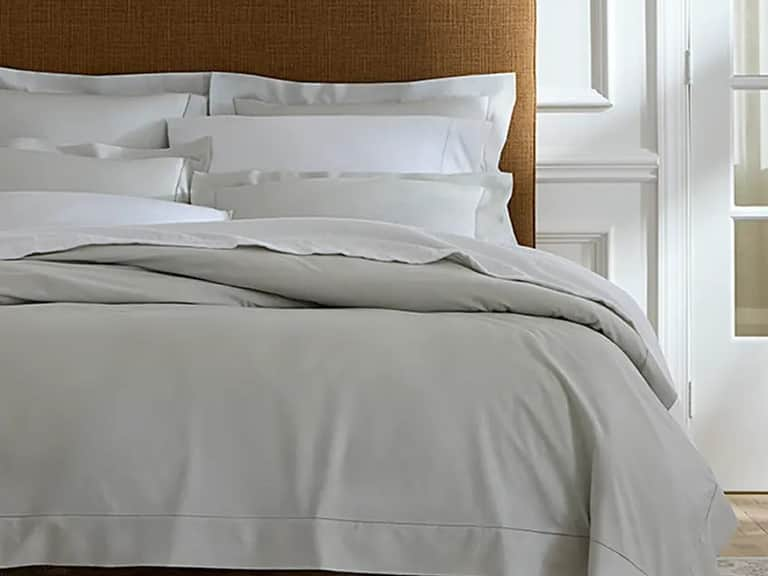
Luxor Duvet Cover is a premium example of a duvet cover that aligns with elegant materials and timeless design in the UK market. While this article does not promote products, understanding the kind of luxury materials used in duvet covers can inform your awareness of how shell fabrics and finishing contribute to the overall sleep experience. If you are cataloging or researching duvet-related products for informational purposes, note that Luxor is described as a 100% Egyptian cotton percale weave with a crisp, cool hand, crafted in Italy, and available in neutral tones. This type of fabric information exemplifies the careful attention to material quality that informs premium sleep ecosystems.